Bringing Up Pelvic Floor Support With Your Doctor (Without Feeling Awkward)
You’ve been dealing with symptoms like pelvic heaviness, pressure, or even visible bulging. You know something’s not right—but when it comes time to talk to your doctor about it, the words get stuck.
If you've ever felt dismissed, awkward, or unsure how to advocate for yourself when it comes to pelvic floor health, you're not alone.
At Hem Support Wear, we’re founded by someone who’s been there. Our founder, Lauren, experienced pelvic organ prolapse after her first baby and knows exactly how vulnerable it feels to walk into a doctor’s office and not feel taken seriously. This brand was born from that personal journey, and everything we share here is shaped by lived experience, clinical guidance, and thousands of conversations with women like you.

Why This Conversation Feels So Hard
Pelvic health is deeply personal. Many women worry that they’ll be told:
- “It’s just part of having babies.”
- “It doesn’t sound that bad.”
- “You’re probably overthinking it.”
These responses, whether subtle or direct, leave too many women feeling dismissed and unsupported. But here's the truth: pelvic pressure, vaginal heaviness, leaking, discomfort—these are all valid symptoms that deserve attention. You don’t need to “prove” your pain to be taken seriously.
And you’re not alone in needing to advocate for yourself.
Dr. Beth Henigan, a pelvic floor physical therapist and mom of two, shared: “I was a clinician and I still felt like I had to advocate so hard to be taken seriously.” After struggling with prolapse symptoms postpartum, she felt overwhelmed and frustrated by the lack of guidance—even from her own OB.

3 Empowering Scripts to Help You Speak Up
Knowing what to say can make all the difference. Use or adapt these real-life scripts during your next appointment:
-
Straightforward & Clear:
“I’ve been experiencing pelvic heaviness and pressure, especially at the end of the day. I’d like to explore options like support garments or a pessary. Can we talk about what might help?” -
Informed & Curious:
“I’ve been learning about pelvic organ prolapse and conservative treatments. I’d like to know if I might benefit from a support garment or if a pelvic floor PT referral makes sense.” -
If You’ve Been Dismissed Before:
“I brought this up before and didn’t feel heard. The symptoms have continued, and I’d really appreciate a deeper look—or a referral to a specialist who can help me manage it.”
Practice saying it aloud or write it down beforehand. You might also bring a list of symptoms or photos if that helps you feel more prepared.
Dr. Ashley Newton, DPT, recommends exactly that: “Write down your symptoms. Bring photos if you want. You’re not being dramatic—you’re giving your provider helpful data.” What may feel awkward to you is often incredibly helpful from a clinical perspective.
What If Your Doctor Dismisses You?
It’s frustrating, but unfortunately, it happens. In Lauren’s story, she brought photos to her 6-week postpartum visit, only to be told she didn’t have prolapse—even though her symptoms continued. It wasn’t until she saw a pelvic floor physical therapist that she felt truly seen.
If this happens to you:
- Ask for a referral to a pelvic floor physical therapist
- Consider a second opinion from a urogynecologist
- Don’t second-guess yourself—you know your body best

What to Ask at Your Appointment
Here are some smart, specific questions you can bring:
- “Can you assess me for pelvic organ prolapse?”
- “What stage is it, and what conservative options can help?”
- “Can we talk about trying a support garment or pessary?”
- “Can you refer me to a pelvic floor PT near me?”
👉 Pro Tip: Come prepared with your symptoms clearly written down. Our Pelvic Health Symptom Tracker is a free, printable tool that helps you organize what you’re experiencing—so you can walk into your appointment feeling confident and clear.
Your Options Shouldn’t Be Gatekept
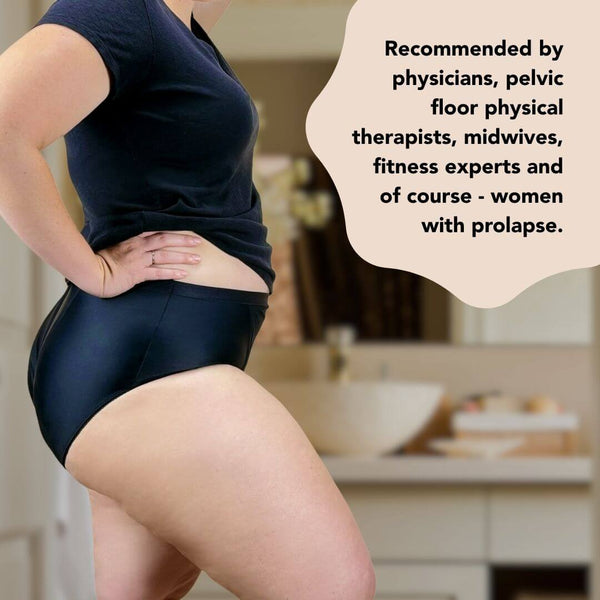
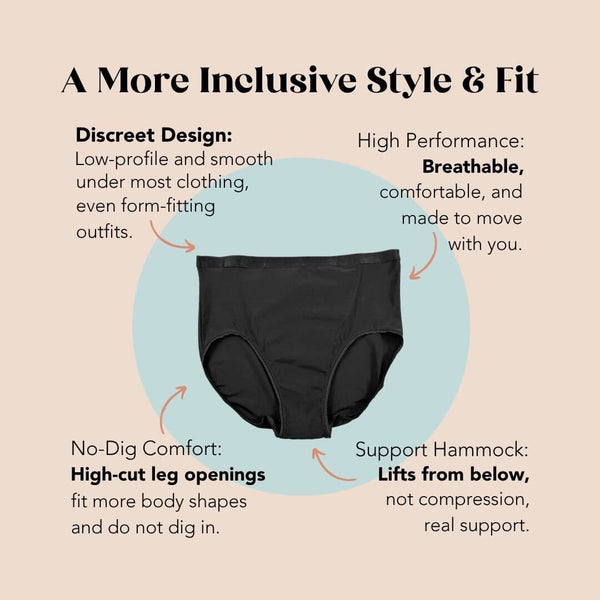
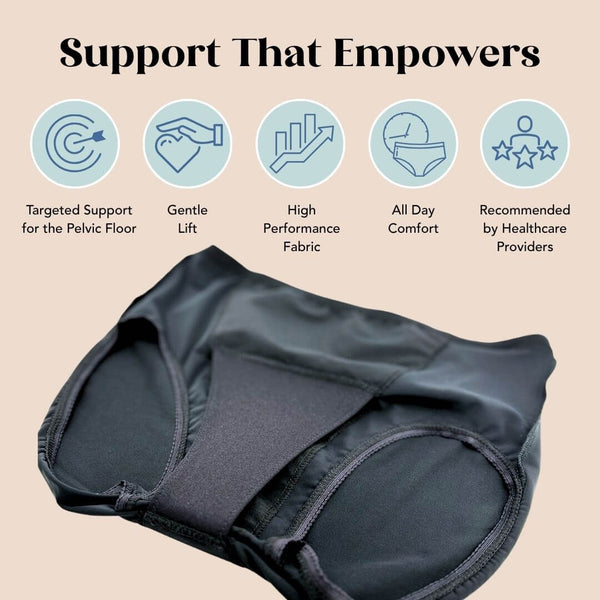
Let’s be clear: pelvic floor support garments are a valid, conservative tool for managing prolapse symptoms—and many providers simply don’t bring them up unless asked.
These garments can:
- Reduce pressure and bulging sensations
- Help you feel more stable during everyday movement
- Make exercise and errands more manageable
- Bridge the gap if you’re waiting for surgery
And the best part? They're often HSA/FSA eligible, which means you may be able to use pre-tax dollars to cover your care. You can learn more about using HSA/FSA funds for pelvic floor support in our detailed overview.

We Believe in Advocacy and Access
At Hem, we advocate for more open, supportive care conversations, not just product recommendations. Our team regularly collaborates with pelvic health professionals gathers feedback from our customers, and continues to evolve our products and resources to offer real, everyday solutions that make a difference.
Thousands of women have trusted Hem Support Wear to navigate their recovery with confidence and dignity. We're proud to be part of your support team—every step of the way.
Take Action With Confidence
Ready to take the next step?
👉 Explore our pelvic floor support garments to see what option might work for you.
👉 Use your HSA/FSA to help cover the cost: here’s how.
👉 Track your symptoms with our printable tool to feel more prepared for your appointment.
You are not too much.
You are not overreacting.
You’re just asking for the support you deserve—and we’re here for that.
About the Hem Support Wear Team
Meet Cristin, Lauren, and Alexa: a small, mission-driven team passionate about helping women feel supported, seen, and strong—especially when it comes to pelvic health. Hem was founded by Lauren Fleming, whose personal journey with prolapse sparked a mission to make healing feel less lonely and a whole lot more empowering.

**Medical Disclaimer: This post is intended to provide information and resources only. This post or any of the information contained within should not be used as a substitute for professional diagnosis, treatment, or advice. Always seek the guidance of your qualified healthcare provider with any questions you may have regarding your healthcare, conditions, and recommended treatment.