What Happens If You Ignore Pelvic Pressure?
Pelvic pressure usually doesn’t arrive all at once.
For many women, it starts subtly. A little heaviness after a long walk. A dragging sensation at the end of the day. Pressure during workouts. That feeling that something just doesn’t feel quite right anymore.
At first, it’s easy to brush off.
You assume your body is tired. Hormones are shifting. You’re postpartum. You’ve been carrying kids, laundry baskets, groceries, stress, and approximately 14 other things all week.
Life moves on, so you move on too.
That’s part of why so many women live with pelvic floor symptoms for months (or years) before getting support. Not because they’re ignoring themselves on purpose, but because pelvic health issues are still wildly under-discussed.
A lot of women simply don’t realize what their symptoms may be pointing to.
So what happens if you ignore pelvic pressure?
The answer is different for everyone.
Some women notice symptoms stay fairly mild for a long time. Others find that symptoms slowly become more noticeable over the years, especially during postpartum recovery, perimenopause, menopause, or more physically demanding seasons of life.
Pelvic pressure can sometimes be connected to pelvic organ prolapse (POP), which happens when pelvic organs shift downward due to weakened or stretched pelvic floor support structures.
That explanation can sound intimidating, but pelvic organ prolapse is actually very common. And having symptoms does not mean your body is broken.
Prefer to watch? In this video, our founder Lauren breaks down what pelvic pressure can mean and what may happen when symptoms go unaddressed:

What progression can look like in real life
For a lot of women, symptoms don’t suddenly become severe overnight. Instead, life quietly starts revolving around them.
Maybe you:
- Skip certain workouts because they leave you uncomfortable afterward
- Feel relief the second you finally sit down
- Start avoiding jumping, running, or lifting
- Wear tighter leggings because they feel more supportive
- Think about bathroom access more often while traveling
- Feel heaviness halfway through errands or long outings
Over time, symptoms can begin affecting more than physical comfort.
They can chip away at confidence.
Not in a dramatic movie-scene kind of way. More in the small daily moments:
- Hesitating before picking up your child
- Wondering if you’ll feel okay halfway through an event
- Mentally calculating how long you’ll be standing
- Feeling distracted during exercise because you’re focused on symptoms instead
That mental load is exhausting.
And it’s one of the reasons many women eventually decide they don’t want to keep “just dealing with it.”
Our founder Lauren has talked openly about this side of pelvic health before — how symptoms don’t just affect your body, but also your confidence, routines, relationships, and the way you move through everyday life. For many women, the hardest part isn’t even explaining the physical symptoms. It’s realizing how much space those symptoms have quietly taken up in their mind over time.
That emotional side of pelvic health deserves more attention, too.

Why symptoms sometimes become more noticeable over time
Pelvic floor symptoms often fluctuate depending on what’s happening in your body and daily life.
Things like:
- Pregnancy and postpartum recovery
- Hormonal changes during perimenopause and menopause
- Constipation or straining
- Heavy lifting
- High-impact exercise
- Chronic coughing
- Stress and fatigue
- Long days on your feet
…can all affect how supported your pelvic floor feels.
This is why many women say:
“I managed okay for years, and then suddenly things felt different.”
Usually, it wasn’t actually sudden. The body had been compensating for a long time.

The good news: support doesn’t have to be extreme
One of the biggest misconceptions around pelvic floor symptoms is that the only options are to ignore it or jump straight into surgery.
In reality, there’s a wide middle ground.
For many women, support starts with:
- Learning more about pelvic health
- Working with a pelvic floor physical therapist
- Adjusting movement habits
- Finding symptom management tools that help daily life feel easier
- Building confidence in their body again
Small changes can make a meaningful difference — especially when symptoms are addressed earlier instead of after months or years of pushing through discomfort.

If you’re noticing pelvic pressure, here are a few good next steps
You don’t need to overhaul your entire life overnight. But you can start supporting your body in small, practical ways now.
Pay attention to patterns
Notice when symptoms feel better or worse.
You may see patterns around:
- Exercise
- Long periods of standing
- Your cycle
- Postpartum recovery
- Travel
- Stress or fatigue
Understanding those patterns can help you make more informed decisions about movement, support, and symptom management. If you need a place to start, our free pelvic health symptom tracker can help you track symptoms over time, identify triggers, and better understand what your body may be responding to day to day.
Learn more about pelvic floor health
A lot of women tell us the same thing:
“I wish someone had explained this sooner.”
Education can take away so much of the confusion and fear surrounding pelvic floor symptoms.
That’s why we create videos, blog posts, and resources focused on real-life pelvic health conversations — the kind we wish more women had access to earlier.
Consider pelvic floor physical therapy
Pelvic floor PT can help many women better understand what’s contributing to symptoms and what support strategies may help.
For some women, that means exercises. For others, it means learning how to better manage pressure, movement, breathing, posture, or daily habits.
Good support should feel collaborative, not intimidating.
Explore support tools for everyday life
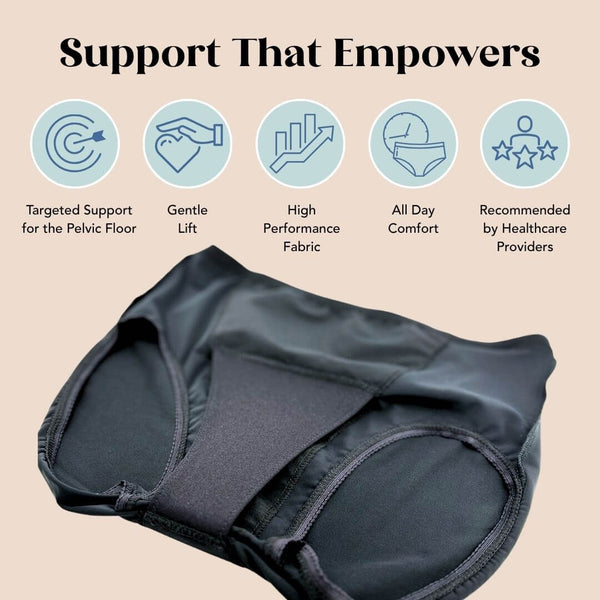
Support garments aren’t a cure for prolapse or pelvic pressure.
But for many women, they can help reduce heaviness and discomfort during:
- Workouts
- Long workdays
- Travel
- Parenting
- Walking
- Busy days on your feet
The goal isn’t to make you feel restricted.
It’s to help you feel more supported while continuing to do the things you enjoy.

Why we created Hem Support Wear
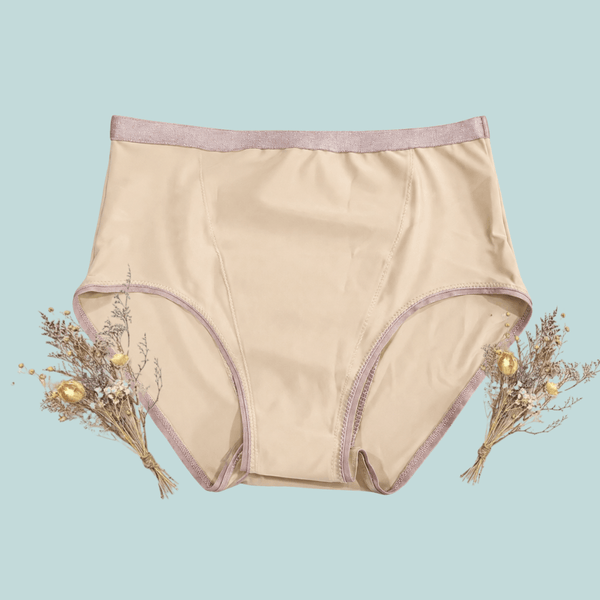
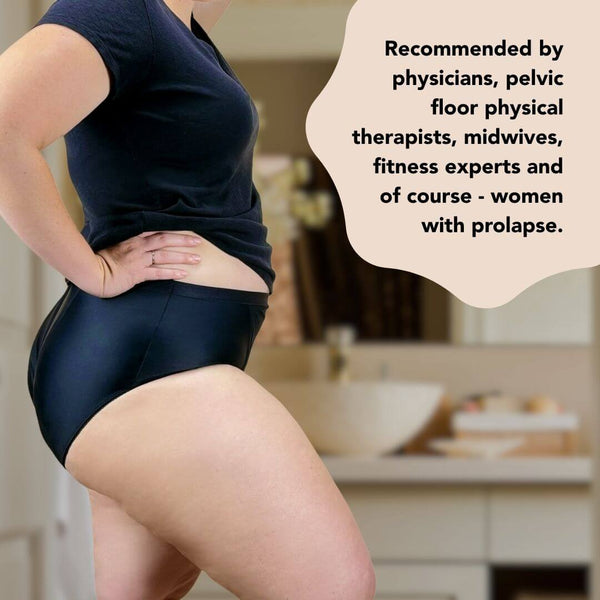
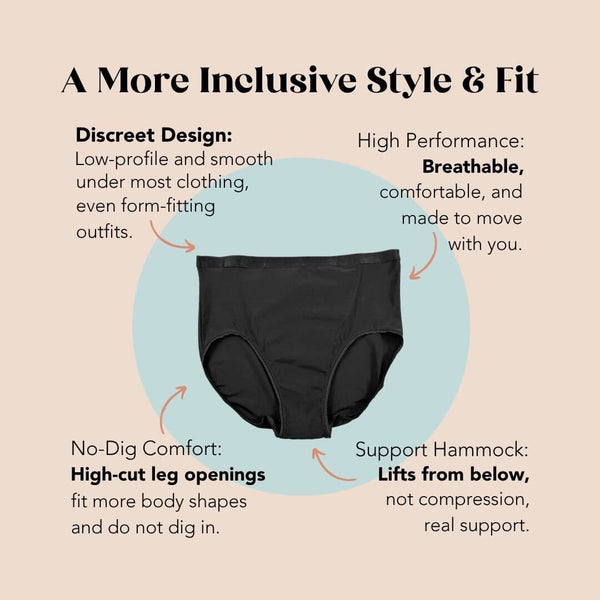
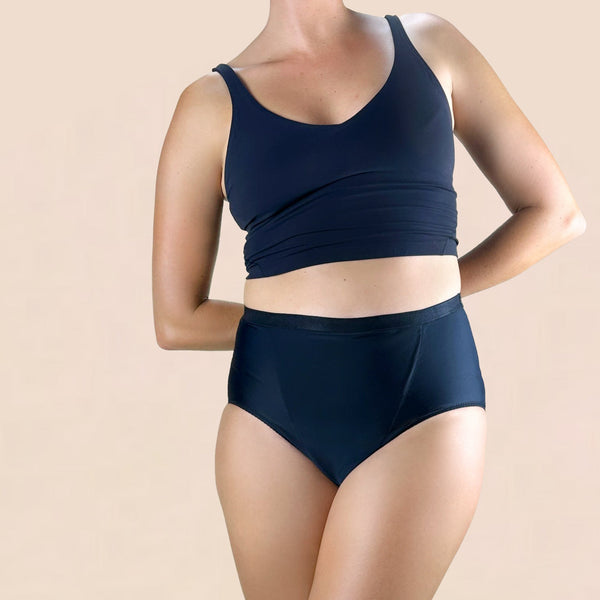
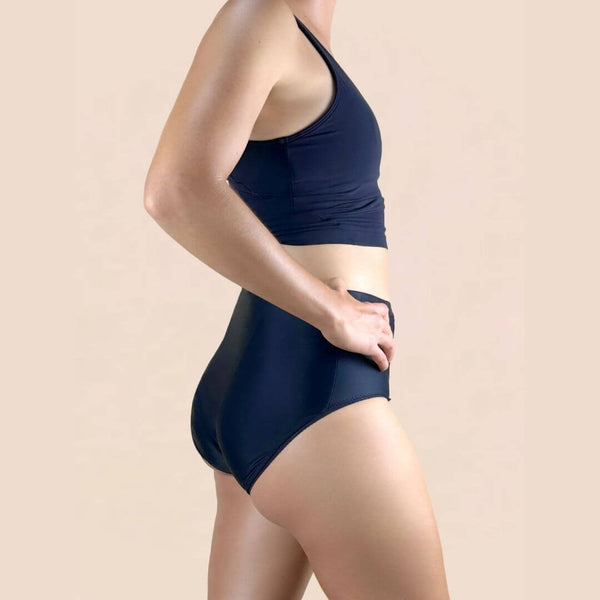
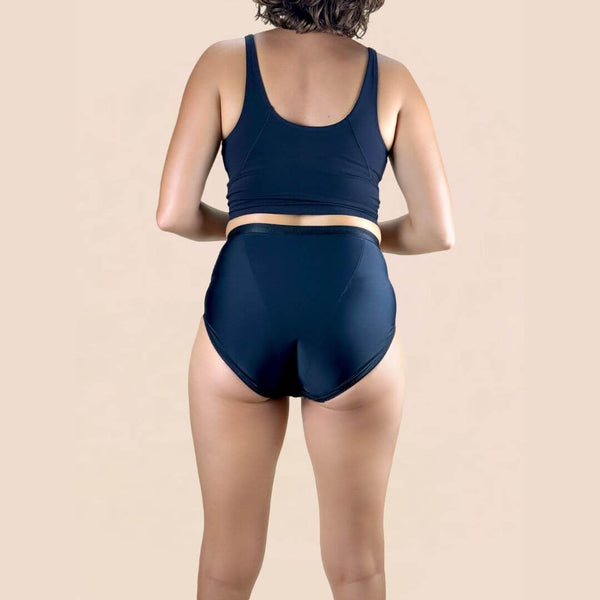
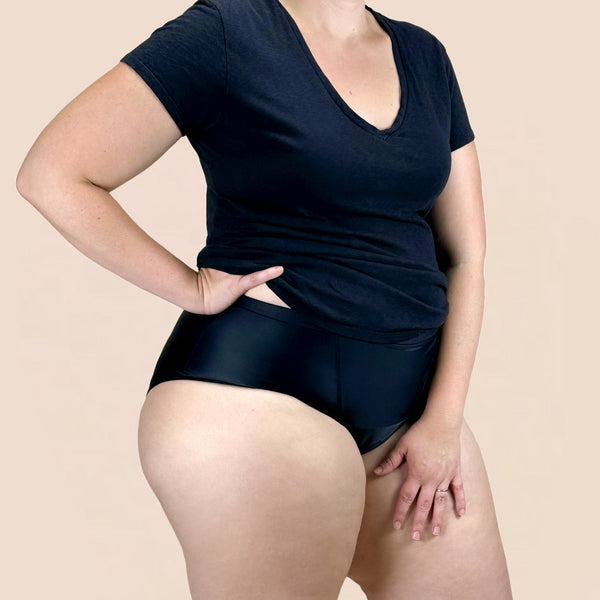
Our founder Lauren created Hem Support Wear after experiencing pelvic organ prolapse herself and struggling to find support garments that felt comfortable, discreet, and realistic for everyday life.
She wanted something supportive enough to help, but wearable enough to become part of everyday life, not something that made her feel more aware of her symptoms every time she put it on.
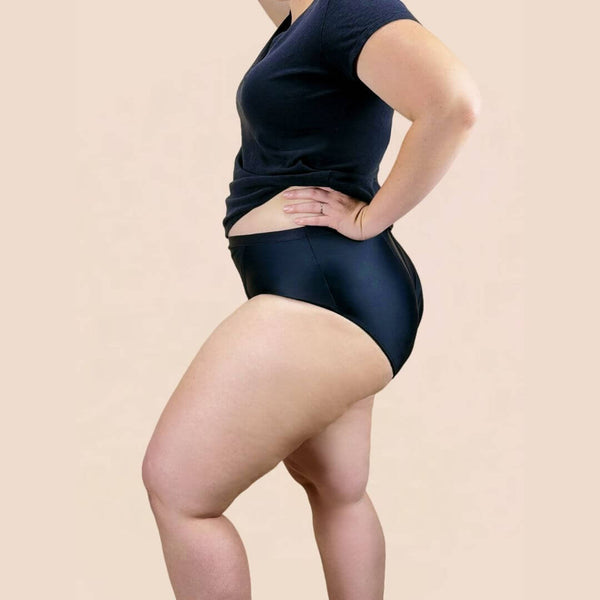
That’s why Hem Support Wear was designed for real life: exercising, traveling, standing longer, working, keeping up with kids and grandkids, or simply getting through the day with less awareness of heaviness and discomfort.
One woman in our community described it this way:
I feel more normal every day. I almost forget about my prolapse when I’m wearing them. They're very comfortable. I love them!
-Margaret, late 60s
That kind of relief matters.
Ready to explore support options?
If pelvic pressure or heaviness has been affecting your comfort, movement, or confidence, you’re not alone.
Our pelvic floor support garments were created to provide real support for real life — without bulky designs or uncomfortable compression. And you don't need a diagnosis to try one.
You can:
- Explore the garments
- Read customer reviews
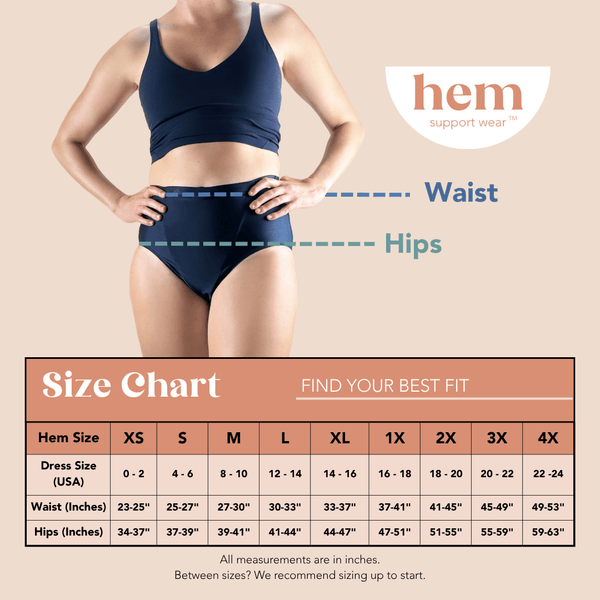
- Get a personalized fit recommendation
- See how women wear them during daily activities
Because support should help you stay connected to your life — not pull you away from it.

About the Hem Support Wear Team
Meet Cristin, Lauren, and Alexa: a small, mission-driven team passionate about helping women feel supported, seen, and strong—especially when it comes to pelvic health. Hem Support Wear was founded by Lauren Fleming, whose personal journey with prolapse sparked a mission to make healing feel less lonely and a whole lot more empowering.

**Medical Disclaimer: This post is intended to provide information and resources only. This post or any of the information contained within should not be used as a substitute for professional diagnosis, treatment, or advice. Always seek the guidance of your qualified healthcare provider with any questions you may have regarding your healthcare, conditions, and recommended treatment.